
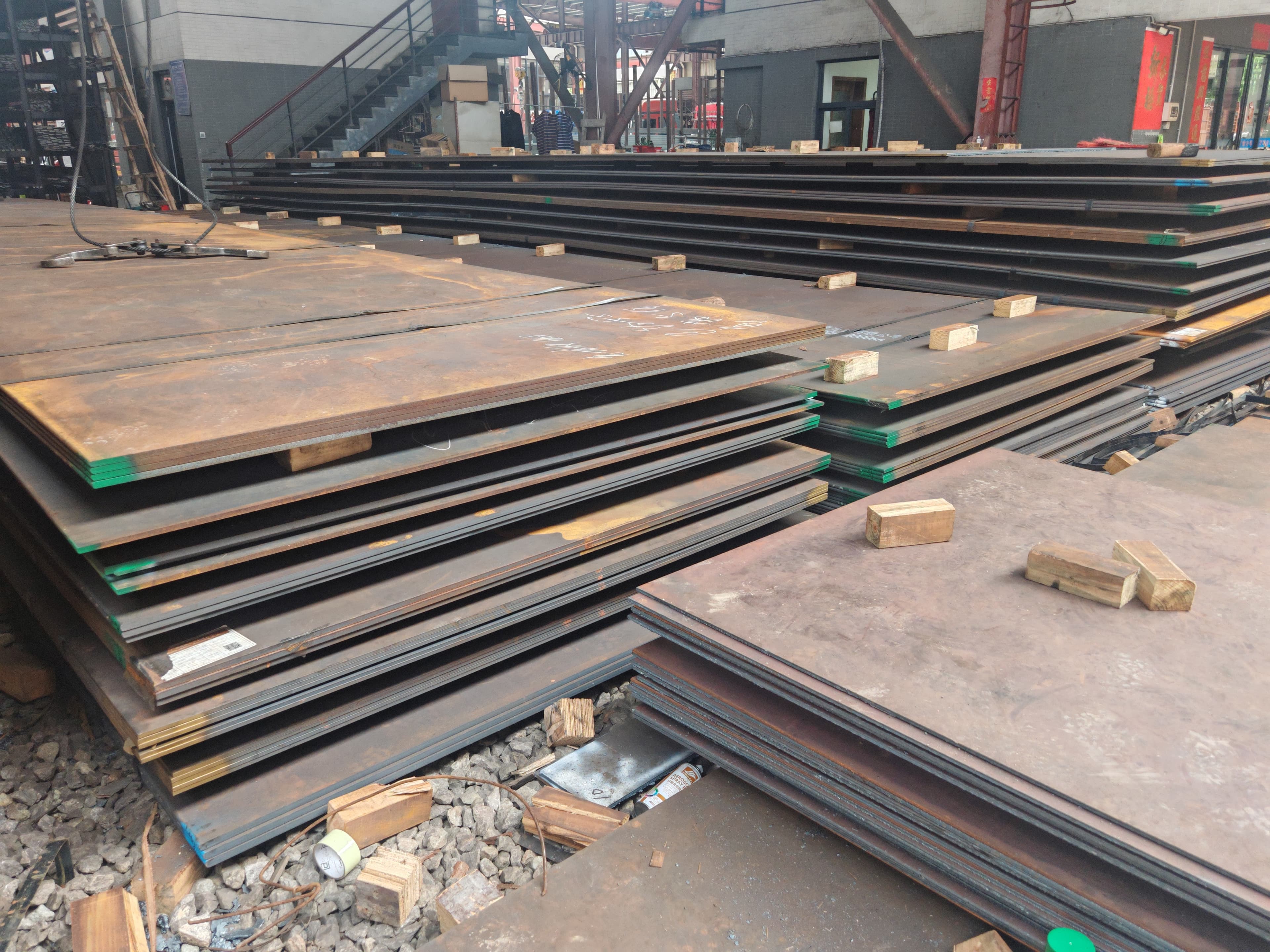
A reliable wear-plate purchase starts with a complete technical specification, approved source and inspection plan. Before shipment, reconcile the MTC and heat numbers, verify dimensions and agreed hardness checks, inspect processed features, confirm bundle markings and review export packing. Use third-party inspection when contractual risk or project criticality justifies it.
ZGT Steel is an independent trading and export company, not an owned steel mill. Product guarantees depend on the approved producer and order specification. Application guidance is for initial selection and does not replace engineering approval.
Step 1: Make the RFQ technically complete
A price request that says only “NM500, 20 tons” leaves the most important risks unresolved. State the grade or acceptable equivalent, governing mill specification, thickness, width, length, quantity, application, destination and required delivery term. If impact toughness is important, identify the test temperature and required value rather than using the vague phrase “good toughness.”
For processed parts, provide controlled drawings with revision numbers, units, tolerances, hole details, edge preparation and marking requirements. Explain whether parts are mirrored, nested or supplied as individual kits. A drawing review before quotation can reveal features that are difficult to cut, drill, bend or inspect.
Commercial details also affect the technical solution. State shipment timing, port, container constraints, bundle-weight limits and whether partial shipment is acceptable. The supplier can then check plate availability and nesting efficiency against a real logistics plan.
- Grade and approved producer or equivalent rule
- Dimensions, quantity and dimensional tolerance
- Required MTC and supplementary testing
- Processing drawings with revision control
- Incoterm, destination and packing limits
Step 2: Qualify the supply model—not just the sales claim
Clarify whether the counterparty is a mill, stockholder, processor or trading/export company. Each model can work, but the responsibilities must be transparent. An independent trading company should identify how it sources material, controls subcontract processing, verifies documents and manages export packing instead of presenting itself as the plate producer.
Ask which mill or approved sources can be offered for the requested size. Review the actual producer datasheet and available thickness range. If the quotation allows several sources, define whether buyer approval is required before substitution.
Supplier qualification evidence may include business registration, export experience, sample MTCs with sensitive customer data removed, inspection workflow, processing capability information and packing photographs. Treat website claims as a starting point; the purchase contract and traceable records are the controls that matter.
Step 3: Review the MTC and traceability chain
The material test certificate should identify the producer, product, grade, heat number, plate number where applicable, dimensions, chemical composition and reported mechanical or hardness results according to the governing specification. The document format and inspection certificate type should be agreed in the purchase order.
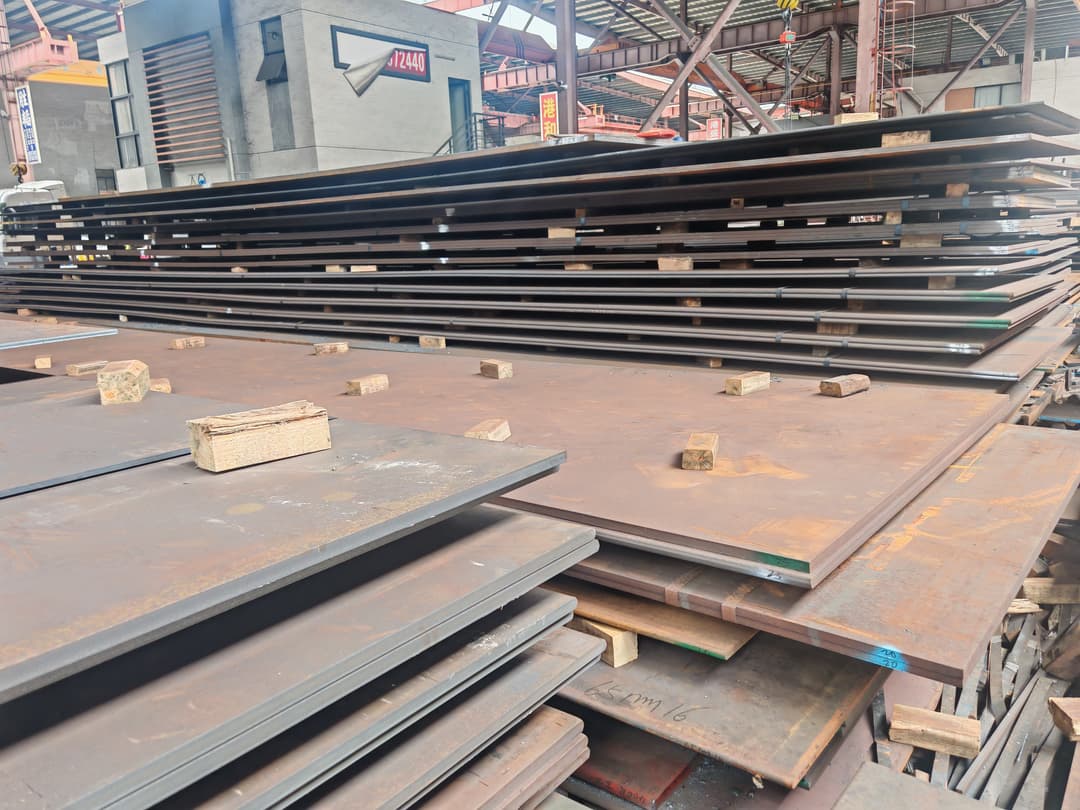
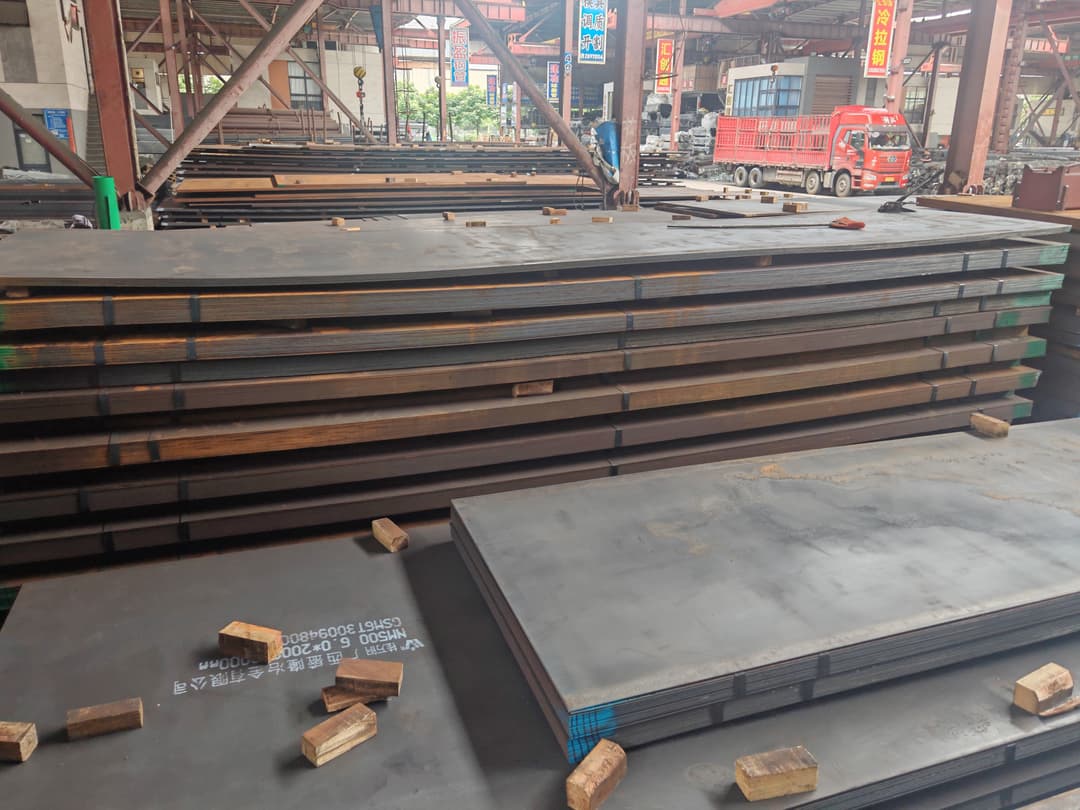
Traceability means the certificate can be connected to the physical plate. During stock and shipment inspection, compare heat numbers and plate markings with the MTC and packing list. When plates are cut into parts, agree how heat or plate identity will be transferred—such as hard stamping, paint marking, labels or a cutting map.
Do not rely on a certificate image alone if the physical material cannot be reconciled. Conversely, a portable hardness reading alone does not prove full compliance with the producer specification. Document review, marking verification and agreed physical tests work together.
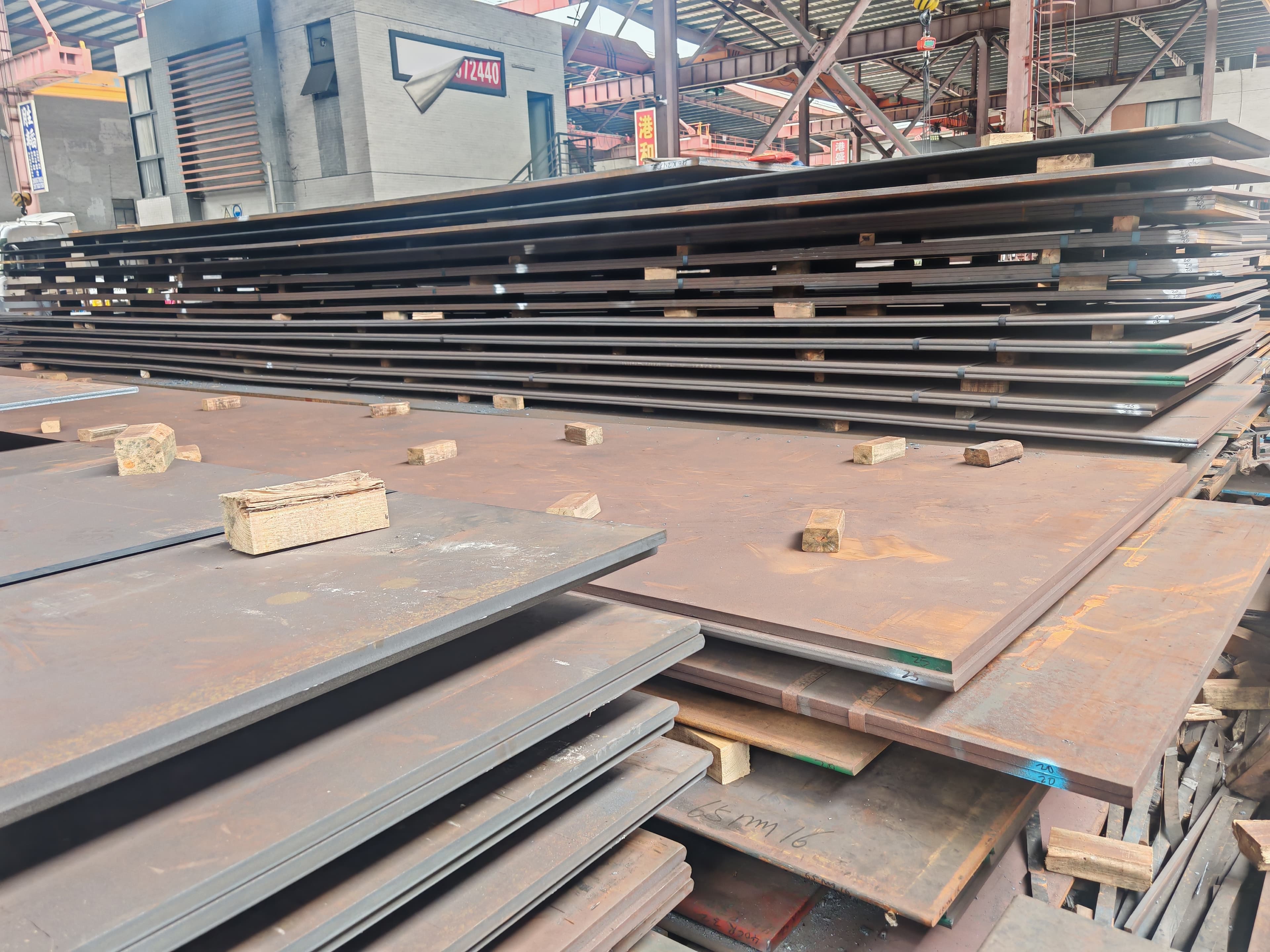
Step 4: Define incoming and pre-shipment inspection
A practical inspection plan lists characteristics, method, sampling and acceptance criteria. Typical checks include grade markings, quantity, thickness, width, length, flatness, surface condition and edge condition. The plan should distinguish mill tolerances from tighter project tolerances created by machining or fabrication.
Hardness verification can be useful, but method and surface preparation matter. Readings should follow an agreed standard and calibrated equipment procedure. Location, number of readings, grinding depth and acceptance range must be specified. A handheld result should not be represented as a substitute for all mill testing.
For critical orders, the buyer may appoint SGS, TÜV, BV or another independent inspector. Third-party inspection is most effective when the inspection scope and hold points are written before production—not requested after the material is already packed.
Step 5: Inspect processed wear parts against the drawing
Cut parts introduce new acceptance points: overall profile, hole diameter and position, countersink geometry, bevels, edge quality, distortion, identification and quantity by drawing number. Use appropriate measuring equipment and record results for critical dimensions.
Thermal cutting may leave dross, heat tint or localized hardness changes. Acceptance depends on the drawing and fabrication specification. Bending requires attention to angle, radius, orientation and surface cracking. Welded assemblies require an agreed WPS, consumables, fit-up criteria and inspection method.
Installation preparation should be considered before packing. Confirm mating orientation, bolt access, left- and right-hand parts, lifting points and any kit sequence. Markings must remain readable after coating or wrapping. These practical checks prevent correct parts from becoming difficult to identify at the customer’s site.
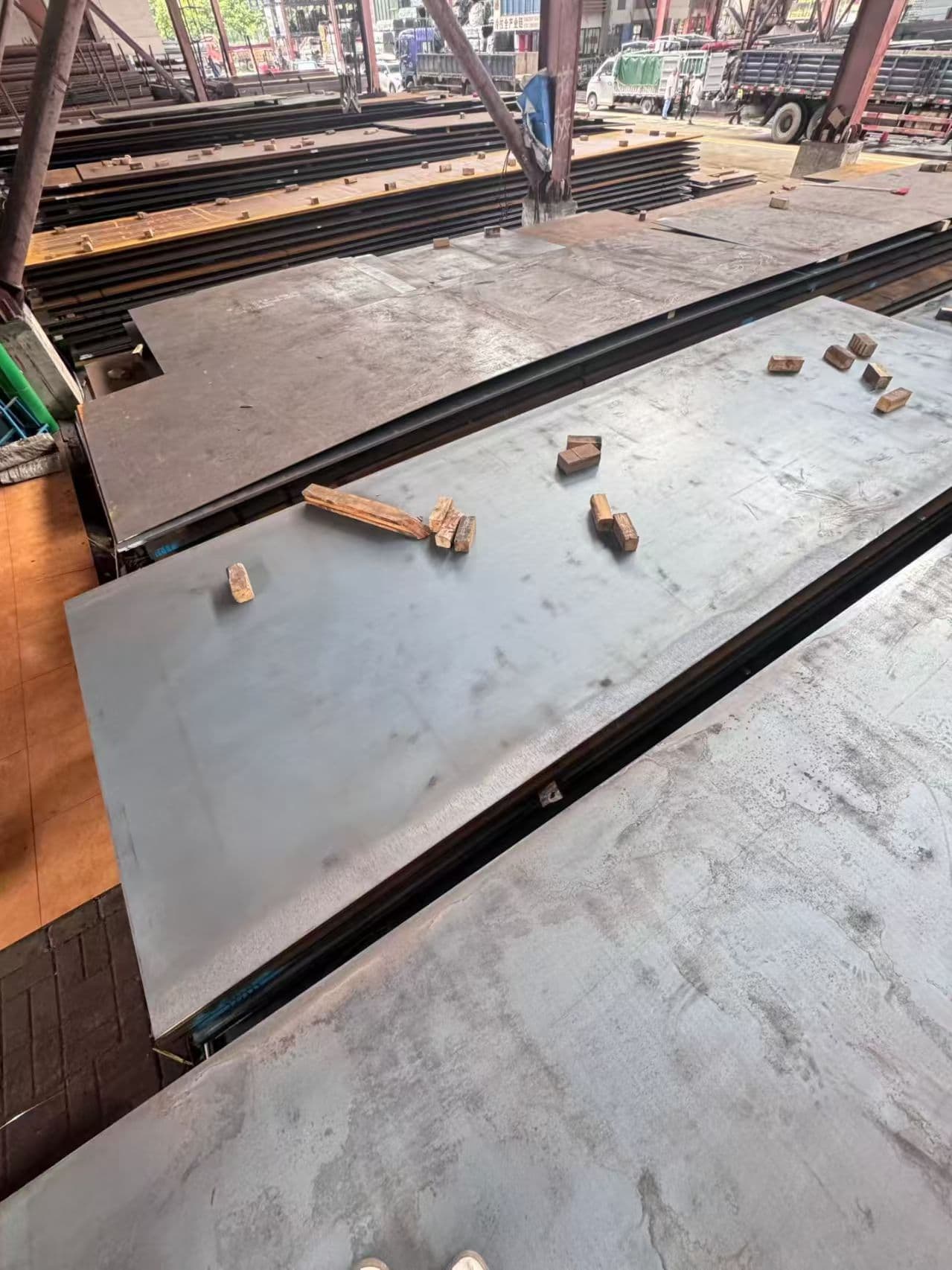
Step 6: Control packing, loading and shipping documents
Wear plate is heavy, dense cargo. Packing must match plate dimensions, handling method, corrosion exposure and transport route. Bundles should use suitable supports and steel strapping, with sharp edges protected where necessary. Processed parts may need separation by drawing number and protection for machined faces.
Before container loading, verify bundle weights, container payload, load distribution and blocking or bracing plan. Photographs should show empty-container condition, packing marks, loading sequence and final securing. Container rules and carrier requirements take priority over generic practices.
The document set commonly includes commercial invoice, packing list, bill of lading instructions, certificate of origin where applicable and the agreed quality documents. Names, quantities, weights, HS classification and consignee information should be reconciled before final issuance. Import requirements vary by destination, so the buyer or customs broker should confirm local rules.
Common red flags in an overseas wear-plate order
Be cautious when a seller will not identify the material source before shipment, provides certificates that cannot be linked to plate markings, promises any size immediately, or guarantees service life without application data. Very low pricing can reflect a different producer, tolerance, test scope, plate size or commercial term rather than a genuine like-for-like saving.
Another warning sign is a quotation that treats all NM grades as interchangeable. Equivalent-grade substitution requires technical review because hardness range, toughness guarantee, chemical composition, thickness availability and fabrication guidance may differ.
A reliable response acknowledges uncertainty. Lead time depends on stock, mill schedule, processing and inspection. Service life depends on the wear system. Honest limitations make the proposal more useful, not less professional.
A final pre-shipment release checklist
Release the shipment only after purchase-order requirements, approved drawings, material documents, inspection results, packing and shipping data agree. Assign responsibility for each sign-off and retain the records in one order file.
For repeat orders, record any nonconformity, installation feedback and wear data. Updating the specification and inspection plan from real customer requirements turns procurement into a controlled improvement cycle rather than a repeated price comparison.
- MTC matches approved source, grade, heat numbers and dimensions
- Physical markings reconcile with certificates and packing list
- Processed parts pass drawing and quantity checks
- Packing and bundle identification support site installation
- Loading photos and shipping documents are complete
- Approved deviations are documented before release
Contract clauses that prevent avoidable disputes
Attach the approved technical specification and drawing list to the purchase contract. Refer to revision numbers and state which document controls if requirements conflict. Avoid relying on chat messages for critical acceptance criteria; summarize agreed changes in a signed purchase-order amendment or technical clarification.
Define the inspection certificate, acceptance standards and sampling plan. State whether supplementary testing is informational or a release requirement. If retesting is allowed, identify the laboratory, specimen location and decision rule. These details prevent disagreement when one handheld reading differs from a mill certificate result.
Describe dimensional and surface acceptance in measurable terms. Wear plate can have mill scale, normal rolling marks and commercial tolerances that are acceptable for a liner but unsuitable for precision machining. If parts need close tolerances, specify the finished-part requirement and the process used to achieve it.
Agree how nonconformities will be handled. The supplier should notify the buyer before shipment, provide evidence, propose repair, replacement or concession, and wait for written disposition. Unapproved grinding, welding or material substitution can destroy traceability and should not be treated as a routine correction.
Set a document deadline before vessel cut-off. Quality records, packing data and draft shipping instructions need enough review time to correct errors. A clear release gate protects both parties from the cost of stopping cargo after it has entered the port or been loaded into a container.
Turn the application into a verifiable specification.
The best wear-plate decision connects operating conditions, material guarantees, processing, inspection and installation. Use the framework above to create a clearer RFQ, compare proposals on the same basis and build field evidence after installation. Avoid universal service-life promises; measurable requirements and traceable records create a more dependable result.
Buyer questions, answered clearly.
An MTC is essential, but it should be reconciled with physical plate markings and the purchase specification. Additional agreed inspection may be appropriate for critical orders.
Technical references
These sources support the general grade and fabrication framework. Contractual values must come from the producer documentation for the offered material.
JFE EVERHARD product and fabrication documentationJFE technical report on abrasion-resistant steel plates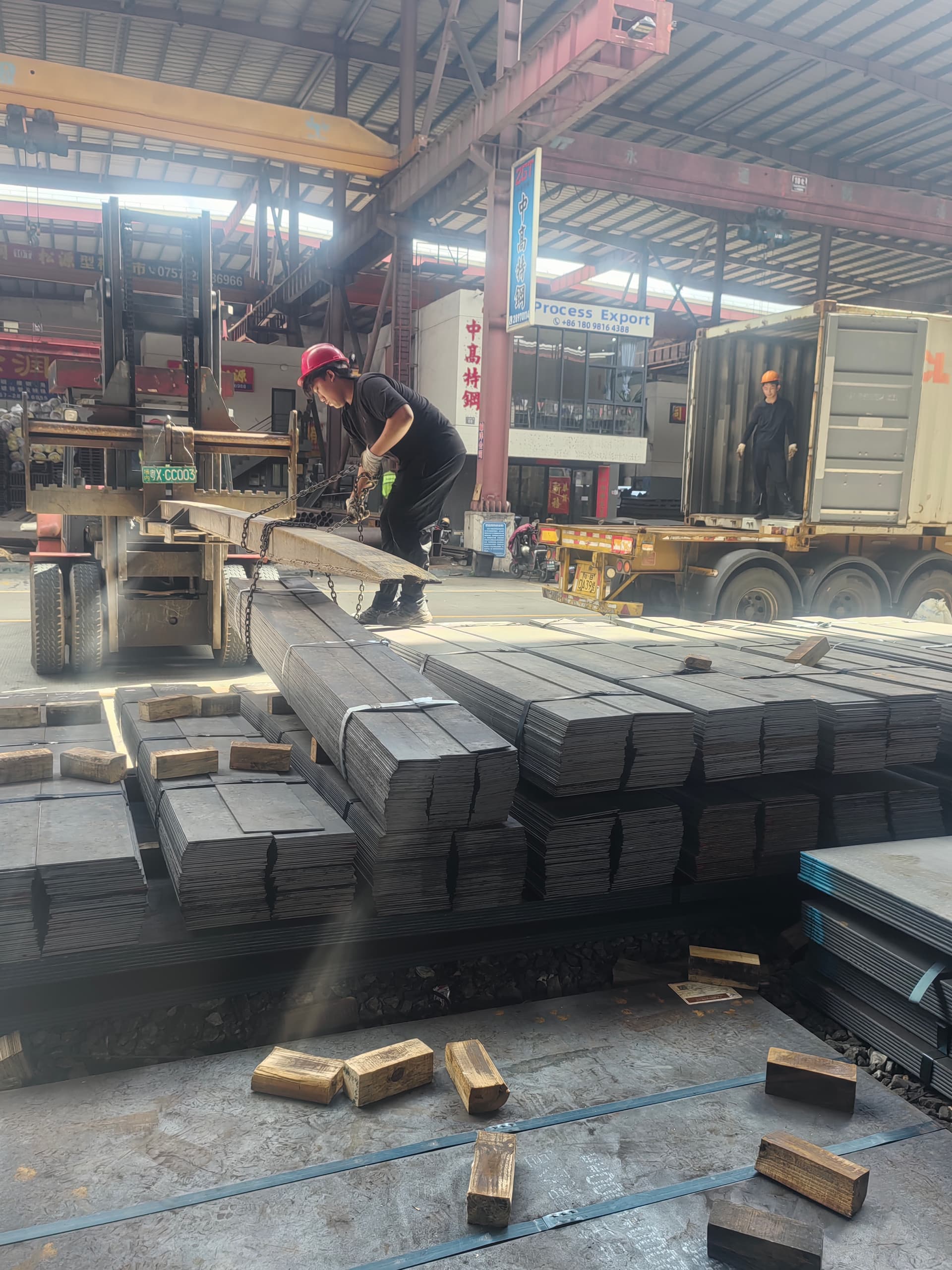
 NM400 vs NM450 vs NM500 wear plate
 wear plate for mining chutes and hoppers